How many times have you been introduced to someone only to forget their name within a few seconds?
Ever find yourself saying “I’m so bad with names”?
I used to think I was terrible at remembering names. I’d often forget someone’s name even just a few seconds after an introduction.
Sound familiar?
What if I told you that changing your mindset around remembering names can make the biggest impact on creating stronger connections and improving student engagement?
It’s true.
Learning someone’s name is more than just etiquette—it boosts confidence, builds trust, and deepens connection.
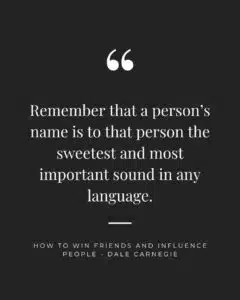
I think I always instinctively knew this, but a few years ago, while on holiday, I was struck by how the staff remembered our names everywhere we went. It transformed the entire experience, making us feel genuinely valued.
That’s when it dawned on me: if the service staff could learn that many names in order to make someone’s experience feel special, I can commit to learning my students’ names from their very first class so their experience feels extra special as well.
After all, we’re inviting people to come learn from us; the least we could do is learn this one thing about them.
In a recent chat with Carolena, she said she can remember the day she learned the importance of learning people’s names. Once at a festival, her vending booth was in a less-than-optimal location, so she decided if the sales weren’t coming to her, she needed to get out and network to let people know where she was located. She made it a point to learn every person’s name that she met and reused their name in the conversation.
Put yourself on the receiving end of that. How would (or does) it feel when Carolena, or anyone you look up to, remembers your name?
Now, imagine your students having this same feeling about you remembering their name.
This isn’t just about politeness—research shows that hearing our own name activates unique areas of the brain associated with self-recognition and attention. When teachers learn student names, engagement and participation drastically increase.
HOW I MADE THE CHANGE
After that holiday, I decided maybe when I say “I’m so bad with names,” it’s no different than someone saying, “Oh, I can’t dance.” You can…it’s just a matter of learning and practice.
And just like dance, it may take some extra practice or tools to help me learn.
There are several articles, videos, and even books available that can teach you the importance and “how to” of learning names.
What worked for me was to first make a mindset shift. I stopped saying “I’m so bad with names” and started saying, I’m working hard to remember names, so please forgive me if I need to ask again.
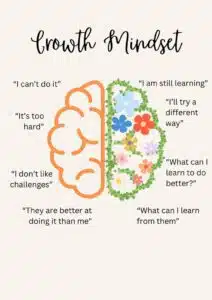
Next up….visualization.
Every week, before class, I read through my student list and visualize the student as I read their name. After just a couple of weeks, I knew everyone’s name. Not only that, as new students trickle in, I find it’s even easier to learn their names.
Within just a few months, I was able to remember more and more names with a lot more ease. In fact, since making this shift, I’ve learned the names of everyone in workshops and certification events.
As a teacher, this has helped me feel more present, more confident, and more connected to my students. I noticed students were more willing to ask questions, take risks in their movement, and stay engaged throughout class.
I’d like to offer this challenge: Commit to learning the names of everyone in your class by their third class. It’s a skill that requires practice, just like dance, but it’s one that helps people feel welcomed, included, and valued—and that’s something our world needs more of.